Physical to Pixel
How tactile objects shape digital details.
TL;DR
This article outlines the design philosophy of Paohaus, demonstrating how the studio translates physical, tactile sensations into custom front-end digital user experiences. By drawing creative inspiration from real-world sensory touchpoints like raw ceramics, textured textiles, and physical print goods, the studio counters the sterile nature of flat screens through the development of ultra-smooth micro-interactions, weighted page transitions, and responsive checkout states. Paohaus rejects generic design templates, arguing that meticulous attention to micro-details is essential for maximizing e-commerce conversion rates and protecting a founder's overarching brand strategy. Ultimately, the text establishes that a premium digital presence requires continuous post-launch optimization, using data-driven iteration and conversion rate optimization to steadily elevate and strengthen the brand ecosystem over time.
Most of us spend the majority of our working hours staring at flat glass planes. We scroll through infinite digital feeds, click through rigid navigation bars, and interact with software interfaces that often feel completely detached from the physical world.
But humans are inherently tactile creatures. We understand quality through weight, texture, and resistance.
At Paohaus, we believe that the best digital experiences shouldn’t feel completely virtual. They should mimic the subtle, satisfying feedback of the physical world. When we design a brand identity, a user interface, or a custom Shopify theme, our engineering choices are constantly influenced by the everyday objects, textures, and rituals that keep our studio grounded.

Morning routine touchpoints
The creative process doesn’t start when we open Figma or Github, it starts with the physical rituals that frame our mornings.
Our workspaces are filled with meaningful touchpoints that set the mood for each day. The touchpoints can be grounding, calming, invigorating, whatever we need to get the vibe just right. A few examples of the objects we keep nearby:
- Split-texture ceramic mug: A heavy, organically shaped piece used for morning coffee. The exterior is half glossy glaze and half raw, burnished clay. It creates a distinct contrast of smooth and rough textures that invites you to absentmindedly run your fingers over it while thinking through a complex problem.
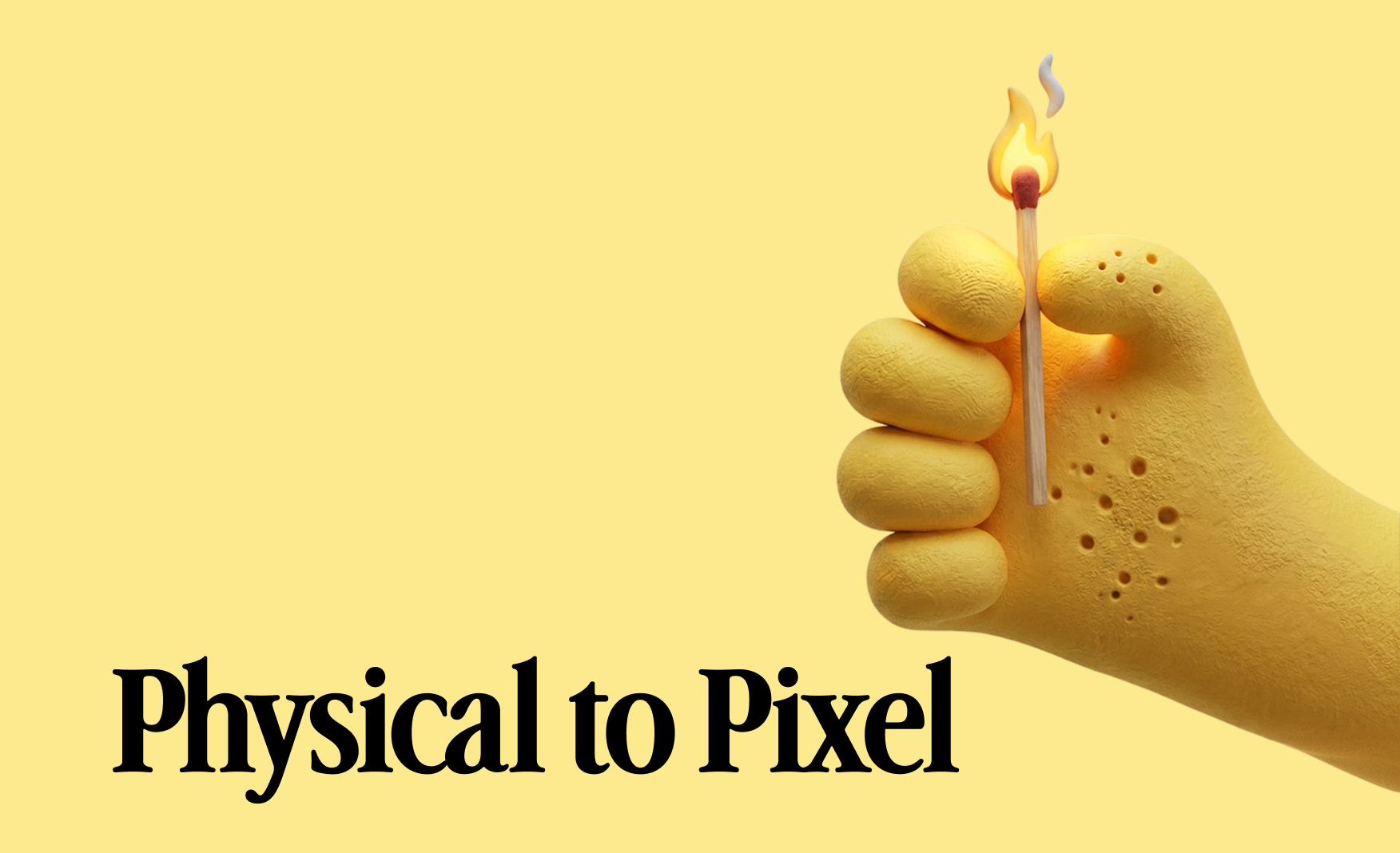
- Matchbox and incense: The sharp, rough scratch of a wooden match against the box, followed by the satisfying woosh of the flame catching to light a stick of sweet Japanese incense. It’s incredibly grounding.
- Risograph-printed paper: A beautifully tactile Bromstad Printing Co. paper to-do list resting next to the keyboard, tracking the day's milestones with physical ink.
- Ergonomic textiles: A soft corduroy wrist rest positioned below the hands, offering a distinct ridge pattern that provides a calming sensory point during long stretches of writing or strategic planning.
Each of these items offers perfect physical feedback. They turn ordinary, repetitive actions into moments of sensory satisfaction and help us take a step back from the 2D digital world and reconnect with our physical bodies.
Keeping physical touchpoints around the workspace helps keep our work more human and constantly reminds us who we are designing for.
Translating tactile interactions to a glass screen
One of our core goals when engineering a digital ecosystem is to emulate the feeling you get when gliding your fingertips across a perfectly textured surface. We’re aiming for tactile user feedback that makes your digital experience feel a little more real.
Until tactile augmented reality and haptic feedback tools become an everyday reality for the average consumer, micro-interactions are the best way we can bring a screen to life.
We translate physical sensations into front-end development by engineering ultra-smooth, highly subtle micro-interactions. It might be a button that slightly morphs its boundary radius on hover, a page transition that glides with a natural, weighted deceleration, or a checkout success state that mimics the clean snap of an analog camera shutter.
These adjustments are incredibly small. They’re easy to ignore if you’re not looking for them, yet they’re just enough to give the human subconscious the sense of a real, physical interaction. It strips away the sterile, static nature of the internet and transforms the screen into a destination you can nearly feel.
Why micro matters to founders
When we look at a project, we don’t see a binary choice between big-picture strategy and tiny design details. We look at both simultaneously.
Paohaus cares about the entire lifecycle of a product. We treat every brand asset, platform migration, and interface element as if it were our own invention. Nothing is left to templates, and nothing falls through the cracks.
Our commitment to micro details is ultimately what protects the macro vision. A beautiful brand strategy only succeeds if the details hold up to user scrutiny, and an e-commerce storefront only converts if the path to purchase feels entirely frictionless to a human being.
A digital presence is never truly finished. Once we introduce a brand ecosystem into the wild, we continue to test, gather data, run conversion rate optimization experiments, and make iterative alterations. Your brand will continue to elevate and strengthen over time.
The most enduring brands are not built overnight on generic frameworks. They’re carefully sculpted over time, with exceptional attention to detail. And the brands that have managed to truly thrive in the digital space all have one thing in common. They’ve found a way to translate the physical to pixel.